
Okay, so check this out—I used to stash seed phrases in a fireproof safe like a lot of folks. My instinct said that was good enough. Initially I thought paper backups were fine, but then I realized they’re fragile, easy to misplace, and honestly pretty user-unfriendly if you try to share custody with someone. Backups that require writing are just another thing that makes crypto feel intimidating to newcomers. Whoa!
There’s somethin’ satisfying about a physical object though. It feels real. Hardware cards give that same tactile comfort as a metal plate, only they fit in a wallet. For people who want cold storage without learning a microcontroller or soldering stuff, card wallets are a different animal—simple and practical. Seriously?
Card-based wallets use secure chips plus NFC so your phone talks to the card without cables. That wireless convenience is huge. On one hand, it avoids the dust-and-cable clutter of dongle-style devices; on the other hand, it raises questions about radio security and device trust. I had my doubts at first—actually, wait—let me rephrase that: I was skeptical until I tested the security model carefully. Hmm…
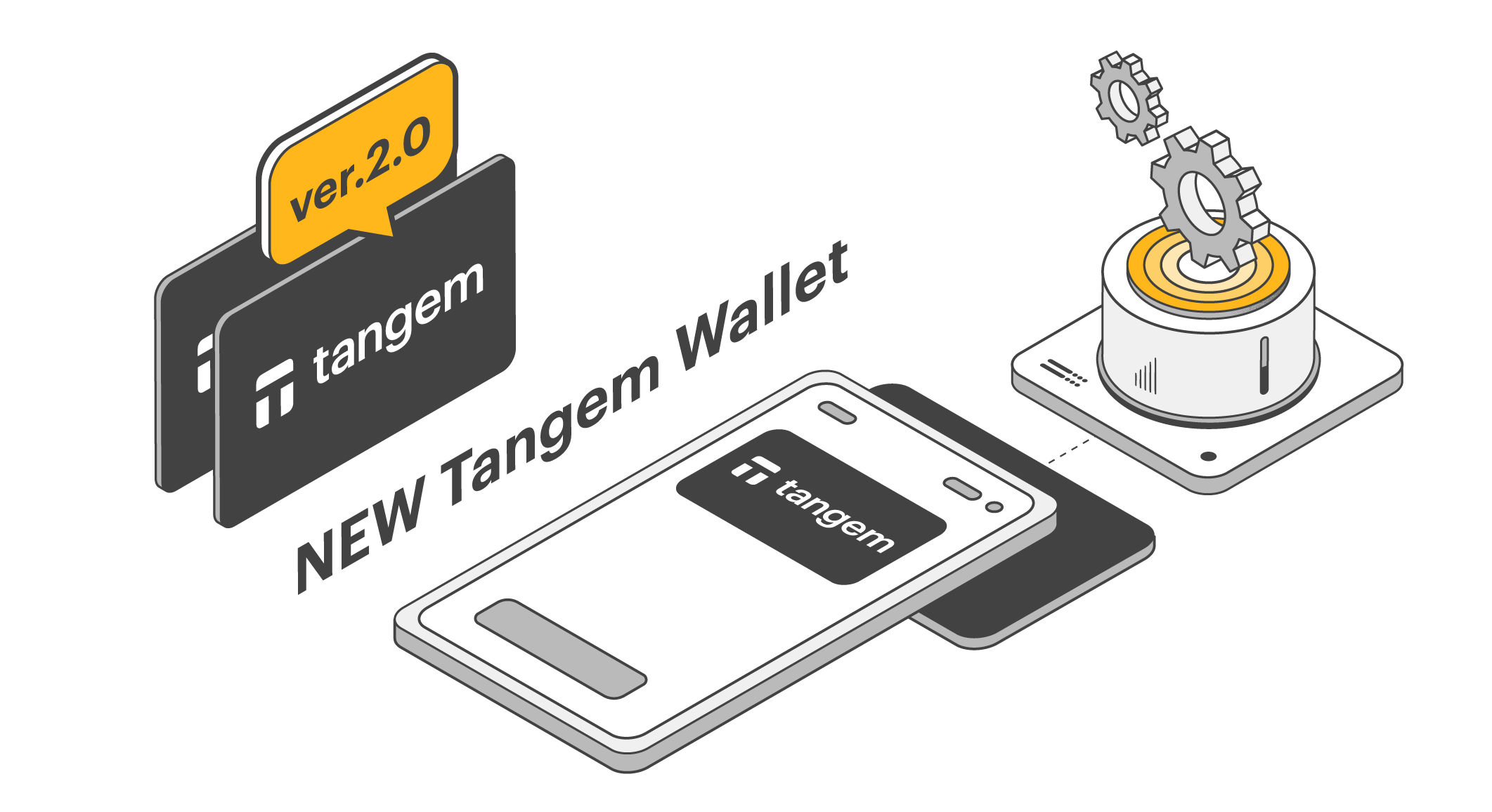
How a Card Wallet Works (Short Version)
At the core is a secure element chip that stores keys. The chip signs transactions without letting the private key leave the card. Your phone builds the transaction, sends it to the card over NFC, the card signs, and the signed transaction goes back to the phone for broadcast. That keeps the private key offline, which is the whole point of cold storage. Really?
What bugs me about some marketing is the oversimplification. They say “immutable security” like it’s a guarantee, but hardware and human factors both matter. On the practical side, ease-of-use can increase safety, because people are more likely to adopt something they actually use. On the flip side, poor UX causes dangerous workarounds—people copying private keys into notes, for example. Here’s the thing.
When I first held a card wallet I thought: this is basically a credit card for crypto. That first impression stuck. Later I tested it, compared it to a seeded hardware device, and walked through a recovery drill. Initially I worried about loss—if you physically misplace a card, is your crypto gone? But then I built a simple multi-card backup plan and realized redundancy is doable. On one hand losing a single card is scary; on the other hand splitting backups across multiple cards and locations works well, though actually setup requires discipline.
Why I Recommend the Tangem Approach
I’m biased, but the tangem wallet style of card-wallet implementation is intuitive and robust for many users. The physical card is durable, the NFC pairing is painless, and the signing model keeps keys isolated. I’ve used the card in busy environments—coffee shops, airports—and it behaved consistently. My gut feeling about convenience turned into confidence after repeated testing.
Here’s a practical note: if you ever need to recover, you don’t type a 24-word sentence into a web form. Instead you can use another card or a pre-arranged recovery process, which fills a lot of usability gaps for less technical people. That matters when helping friends or relatives who want security but not the steep learning curve. Check it out if you want something that feels more like carrying a piece of ID than a mini-computer: tangem wallet.
But nothing is perfect. Some card implementations are proprietary in firmware and that makes some privacy-focused users twitchy. Also, NFC does add a tiny attack surface—even if it’s practically small—so threat modeling is still necessary. I’m not 100% sure about every edge case, and that’s okay; you should ask questions based on how you plan to use the card. Somethin’ like threat modeling is worth the time.
Practical Setup Tips (What Worked for Me)
Buy two cards and treat them like a matched set. Put one in a home safe and give the other to a trusted executor, or store it in a bank deposit box. Write down the card IDs and the emergency plan on a metal plate or a sealed document—no, not the private key, just the process. Keep a test transaction on a small amount so you can verify the recovery flow without risking funds. Wow!
Use a dedicated phone or at least a hardened profile for signing if you can. That reduces the risk of malware on your daily driver interfering with the workflow. On-device malware is still the most realistic threat for most users, so minimize risk by limiting risky apps and keeping OS updates current. Also, document the passphrase workflow if you add an extra layer—that detail often trips people up. Hmm…
Practically, I found NFC range matters. The card needs to be close and aligned for consistent reads, but that also helps security: it’s hard to skim from across a room. Still, be mindful in crowded places. I once made the mistake of trying to set up a card at a busy table and had to restart—minor, but it annoyed me. Little frictions like that influence real-world acceptance.
Common Questions People Ask
Will a card work for multisig? Yes, but the setup is more nuanced. Cards can act as one signer among many, and that’s a strong model for shared custody. However, compatibility depends on the wallet software and the specific signing protocols it supports. If you plan for enterprise or advanced multisig, test thoroughly and maybe run a simulated recovery drill.
Is it truly “cold”? Mostly yes. The private key never leaves the secure chip, which is the crux. Though you should assume the companion device (phone) can be compromised, and plan accordingly—small transactions for tests, strong passphrases, offline verification for critical ops. On one hand that feels like overkill; on the other hand it’s prudent for larger balances.
FAQ
What happens if I lose my card?
If you’ve got a redundant backup plan—another card or a registered recovery method—you can restore to a new card. If you relied on a single card with no backup, recovery is very unlikely unless you recorded the seed elsewhere, which defeats the purpose of true cold storage. Be careful.
Are card wallets suitable for beginners?
Yes. For many, card wallets lower the barrier to secure custody because they remove the need to type long seed phrases. But beginners should still learn the basics of backups and phishing. Ease-of-use reduces certain risks and increases adoption, though it won’t eliminate user error.
How durable are these cards?
Most are designed to be robust—waterproof, flexible, and rated for everyday carry. Still, don’t test the limits. Treat them like important documents: protect against extreme heat, physical bending, and unauthorized access. Also, keep a note: metal backups are still a solid option for long-term resilience.